
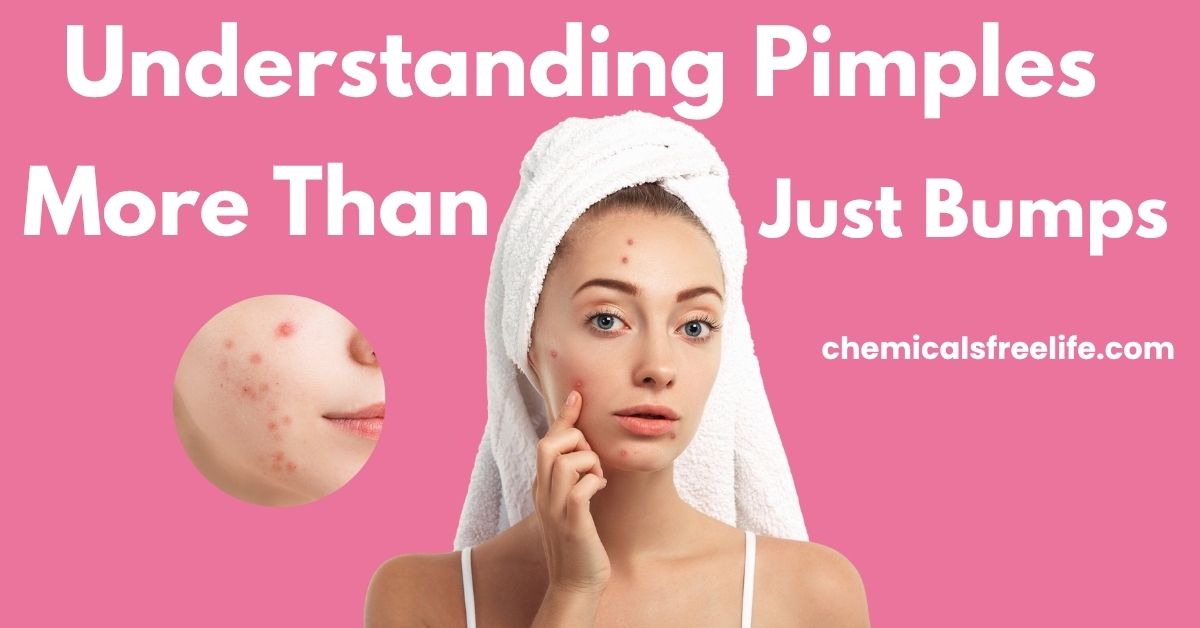
Understanding Pimples: More Than Just Bumps
Just like every skin type is unique, not all red bumps on your face are the same. Pimples—or breakouts—manifest differently based on their origin, appearance, and severity. Knowing the type of pimple you’re dealing with allows you to zero in on the most effective treatment, saving time and preventing unnecessary scarring.
🔍 What Exactly Is a Pimple—And Why Do They Form?
A pimple is essentially an inflamed pore or hair follicle. When oil (sebum), dead skin cells, bacteria, or fungi clog these pores, inflammation occurs. Hormonal upheavals—such as during puberty, menstrual cycles, PCOS, or stress—can ramp up oil production. Allergens, fragrances, or microbial infections can also spark pimples, especially in oil-prone zones like the face, chest, and back. You may have a mix of pimple types at once, from blackheads to cysts
🧠 Two Main Categories of Pimples
Pimples fall into two primary groups:
- Non‑Inflammatory: These include blackheads (open comedones) and whiteheads (closed comedones), where oil and debris block the pore without major swelling.
- Inflammatory: When bacteria like C. acnes enter a blocked pore and the body reacts, redness, pain, and swelling appear. These include papules, pustules, nodules, and cysts.
💡 Types of Pimples & Their Telltale Signs
- Blackheads (Open Comedones): Tiny, dark spots caused by oxidized oil—not dirt. They generally aren’t painful, but pressure can lead to scars.
- Whiteheads (Closed Comedones): Skin-colored bumps where the pore is sealed. Squeezing risks scarring .
- Papules: Small, firm, red or pink bumps—tender and without pus. When a clogged pore ruptures beneath the skin, this is what shows up .
- Pustules: These are papules with yellowish-white pus and a red base—classic “whiteheads” but inflamed.
- Nodules: Large, painful, solid formations beneath the skin—no pus visible. They form when infection goes deep into the skin.
- Cysts: The most severe, cysts are deep, painful, pus-filled, and prone to rupture, infection, and scarring. Dermatologist attention is a must.
📌 Summary Table of Pimple Types.
| Type | Signs |
|---|---|
| Blackhead | Small dark spots, non-painful |
| Whitehead | Small white bump |
| Papule | Red, firm bump |
| Pustule | Pus-filled bump |
| Nodule | Deep, painful lump |
| Cyst | Deep, inflamed, pus |
🧼 Smart Daily Habits
- Always patch-test new products.
- Never squeeze, touch, or irritate blemishes—prevents scars.
- Cleanse twice daily, eat whole foods—benefits skin and hormones.
- Sanitize items like phone screens, makeup tools, linens regularly.
🌿 The Add-On You Need: chemicals free life’s Goat Milk Soap
Why it’s perfect for acne-prone skin
Chemicals Free Life’s Goat Milk Soap is more than a cleanser—it nourishes, balances, and supports skin health holistically
Supports Healthy Skin Microbiome
Its gentle formula preserves natural bacterial balance, strengthening skin’s defense against acne
Gentle Exfoliation & Clearer Pores
It naturally contains lactic acid (a mild AHA) that gently sheds dead skin cells, preventing clogged pores and reducing breakout risk.
Hydrating & pH-Friendly
Rich in fatty acids and cholesterol, it moisturizes deeply without leaving residue. Its pH matches skin’s natural level, protecting the barrier and preventing over-drying.
Antimicrobial & Inflammation Relief
Contains caprylic/capric acids and goat milk proteins that fight acne-causing bacteria and soothe inflammation—ideal for calming breakouts and reducing redness.
Rich in Vitamins & Nutrients
Packed with vitamins A, D, E, selenium, zinc, copper—nourishes, supports skin repair, and helps maintain elasticity.
👨⚕️ When to Consult a Dermatologist
If deep nodules or cysts arise, medical-grade treatments (like antibiotics, isotretinoin, or cortisone injections) are recommended—Chemicals free life’s goat milk soap continues to support overall skin balance during therapy.
Shop Now & Glow Naturally
Click Here to Buy Our Goat Milk Soap
Get Free Shipping on your every order!